

Key Takeaways
- Normal age-related memory changes happen gradually and don’t interfere with daily activities
- Dementia symptoms get worse over time and make everyday tasks difficult or impossible
- Memory problems that affect safety, finances, or basic self-care need professional attention
- Early recognition helps families plan for appropriate care and support
- Memory care communities provide specialized environments for those with dementia
You notice your loved one asking the same question twice in one conversation, or maybe they can’t remember where they put their glasses again. These moments can feel scary, especially when you’re not sure if what you’re seeing is normal aging or something more serious.
The key difference between age-related memory loss and dementia lies in how these changes affect daily life — normal memory changes are occasional and manageable, while dementia symptoms interfere with independence and get progressively worse over time. Understanding these differences can help you make informed decisions about care options, including when to consider specialized memory care services.
What You Should Know About Memory Changes as You Age
Your brain changes as you get older, just like other parts of your body. These changes can affect how quickly you process information and recall certain details.
Normal memory changes happen to everyone over time. You might notice your loved one takes a bit longer to remember a neighbor’s name or occasionally forgets where they parked at the grocery store.
However, when memory concerns start affecting safety, relationships, or daily routines, this can signal something more serious than typical aging. The key is recognizing when forgetfulness becomes a pattern that interferes with independent living.
What Are The Signs of Normal Age-Related Memory Changes?
Everyday Memory Moments You Might Notice
Your loved one might occasionally forget where they put their keys, but they can retrace their steps to find them. They may take longer to remember someone’s name during a conversation, but the name comes to them eventually.
Walking into a room and forgetting why they went there happens to everyone sometimes. Missing an appointment now and then, especially when they have a busy schedule, is also normal according to mental health resources.
How Your Memory Still Works Well
With normal age-related changes, your loved one can still learn new information, even if it takes a bit more time. Their long-term memories remain clear and detailed — they can tell you stories from decades ago with perfect accuracy.
They find ways to work around small memory lapses, like writing notes or using calendars. Daily routines like cooking, cleaning, and managing finances continue without major problems.
What Warning Signs Point to Dementia?
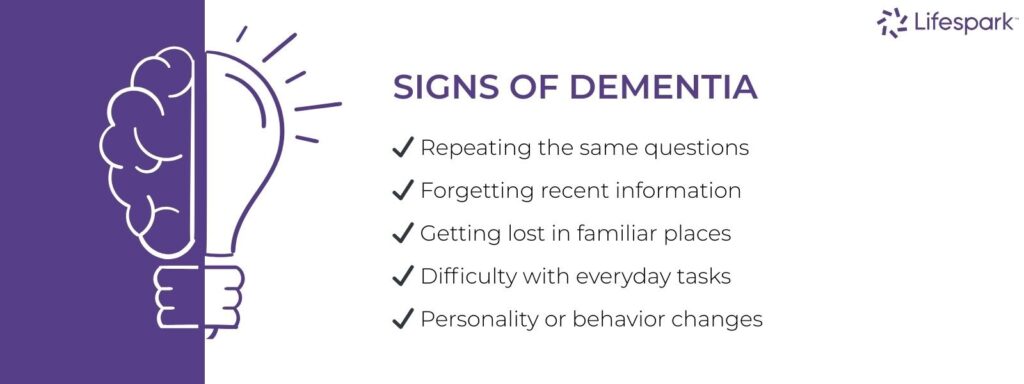
When your loved one forgets recently learned information repeatedly, even after you’ve reminded them several times, this can indicate dementia. They might ask the same questions over and over within minutes.

Getting lost in familiar places, like their own neighborhood or a store they’ve visited for years, is another warning sign. You might also notice trouble managing money, paying bills late, or making unusual financial decisions.
Changes in Thinking and Behavior
Your loved one might have difficulty following conversations, losing track of what people are saying mid-sentence. Problems with familiar tasks like cooking their favorite recipe or operating appliances they’ve used for years can signal dementia.
Poor judgment in decision-making becomes more noticeable — they might dress inappropriately for the weather or trust strangers with personal information. Many people with dementia withdraw from social activities they once enjoyed and show mood or personality changes that seem out of character. Recognizing these changes can help families plan for appropriate support.
How Dementia Progresses Over Time
Unlike normal age-related memory changes, dementia is a progressive condition. Symptoms typically worsen over months or years, affecting more areas of daily life as time goes on.
In the early stages, a person may still live independently but need reminders or extra support.
As dementia progresses, confusion increases, routines become harder to follow, and safety concerns may arise. In later stages, individuals often require full-time assistance with personal care, mobility, and communication.
Understanding progression helps families plan ahead, adjust expectations, and put the right supports in place before a crisis occurs.
What Causes Dementia?
Dementia is not a single disease but a term used to describe a group of conditions that affect memory, thinking, and behaviour. Common causes include:
- Alzheimer’s disease, the most common form of dementia
- Vascular dementia, caused by reduced blood flow to the brain
- Lewy body dementia, which affects thinking, movement, and mood
- Frontotemporal dementia, which often impacts personality and behaviour first
A healthcare provider can help determine the cause through medical history, cognitive testing, and imaging. While most dementias are not reversible, early diagnosis can slow progression and improve quality of life.
When Should I Talk to a Doctor About Memory Concerns?
You should seek medical attention when memory problems interfere with daily activities like cooking, driving, or managing medications safely. If family members or friends express concern about changes they’ve noticed, take these observations seriously.
Regular confusion or disorientation, especially in familiar settings, warrants professional evaluation. When simple tasks become difficult to complete, or your loved one seems frustrated by activities that were once easy, these changes need attention. Healthcare professionals at organizations like the CDC recommend early evaluation for memory concerns.
Getting a proper evaluation can provide peace of mind and help you plan for the future, regardless of the results. Professional support services can help guide families through this process.
How Memory Care Communities Can Help
When dementia begins to interfere with safety or independence, memory care communities provide a supportive alternative to living at home. These communities are designed specifically for people with cognitive impairment and offer:
- Secure environments that reduce the risk of wandering
- Daily routines that provide structure and comfort
- Staff trained in dementia care and communication
- Activities that support cognitive function and emotional well-being
For families, memory care can also bring peace of mind, knowing their loved one is supported by professionals who understand the condition.
Finding the Right Support at The Crossings of Willmar
Memory changes are a normal part of aging, but dementia goes beyond occasional forgetfulness. Recognizing the signs allows families to seek answers and access the right level of care at the right time.At The Crossings of Willmar, you’ll find a full continuum of senior care designed to support your loved one’s changing needs within one compassionate and engaging community.
What truly sets The Crossings of Willmar apart is Lifespark COMPLETE, a senior health model that integrates on-site living with geriatric-focused primary care, urgent care at home, and whole-person care coordination.
Working hand-in-hand with the community team, Lifespark COMPLETE helps residents stay healthier, avoid unnecessary hospital visits, and maintain independence longer — often at no additional cost through participating health plans.
Schedule a tour today to explore The Crossings of Willmar in person. Walking through the community, and meeting the team will help you decide what feels right for your family.