

Key Takeaways
- Alzheimer’s changes are different from normal age-related forgetfulness.
- Early signs include memory lapses, communication struggles, and behavioral shifts.
- A caring, calm conversation can open the door to getting support.
- Documenting changes and scheduling an evaluation are helpful first steps.
- Memory care communities offer personalized, compassionate support for your loved one.
What to Know About Alzheimer’s Warning Signs
When someone you love starts seeming a little “off,” it’s easy to chalk it up to stress or a rough night’s sleep. But sometimes, those small changes add up to something worth paying closer attention to. Knowing what to look for can make a real difference for your family. The Crossings of Willmar is here to walk alongside you every step of the way.
Alzheimer’s often shows up in subtle ways long before it becomes obvious, and recognizing the early warning signs can help your family act sooner, with more options and less overwhelm. This guide walks you through what to watch for and how to take the next step with care and love. If you’re already thinking about what support might look like, explore our community to get a feel for what compassionate senior living and memory care can offer.
What Alzheimer’s Does to the Brain
Alzheimer’s is a gradual condition that slowly affects memory, thinking, and behavior over time. It’s not the same as forgetting where you left your keys or blanking on a name for a moment. Those things happen to all of us. If you’re ever unsure about the difference, this helpful resource on age-related forgetfulness can offer some clarity.
The difference with Alzheimer’s is that the changes are consistent, progressive, and start to disrupt everyday life. In the early stages, they can be easy to miss or explain away. That’s exactly why knowing the signs matters so much for families. Learning more about what Alzheimer’s is can help you feel more informed and prepared.
Alzheimer’s Warning Signs to Watch For
Memory and Communication Changes
One of the earliest signs is forgetting recently learned information, like names of new acquaintances or details from a conversation that happened earlier that day. Your loved one might ask the same question several times within a short period, or tell the same story twice without realizing it.
You may also notice them struggling to find the right words mid-sentence. They might pause for a long time, substitute an unusual word, or lose their train of thought entirely. These communication shifts can feel frustrating for them and worrying for you.
Behavioral and Daily Life Changes
Confusion about dates, the day of the week, or even familiar surroundings can be an early signal. Your loved one might not remember how they got somewhere or feel temporarily disoriented in a place they’ve been many times before.
Withdrawal from hobbies, social events, or activities they used to enjoy is another sign worth noting. Along with that, you might notice unusual decisions, like giving away money unexpectedly or not dressing appropriately for the weather. These changes in judgment can be easy to overlook at first, but they can reflect something deeper going on. The stages of Alzheimer’s progression can help your family better anticipate what lies ahead.
How to Have a Caring Conversation with Your Loved One
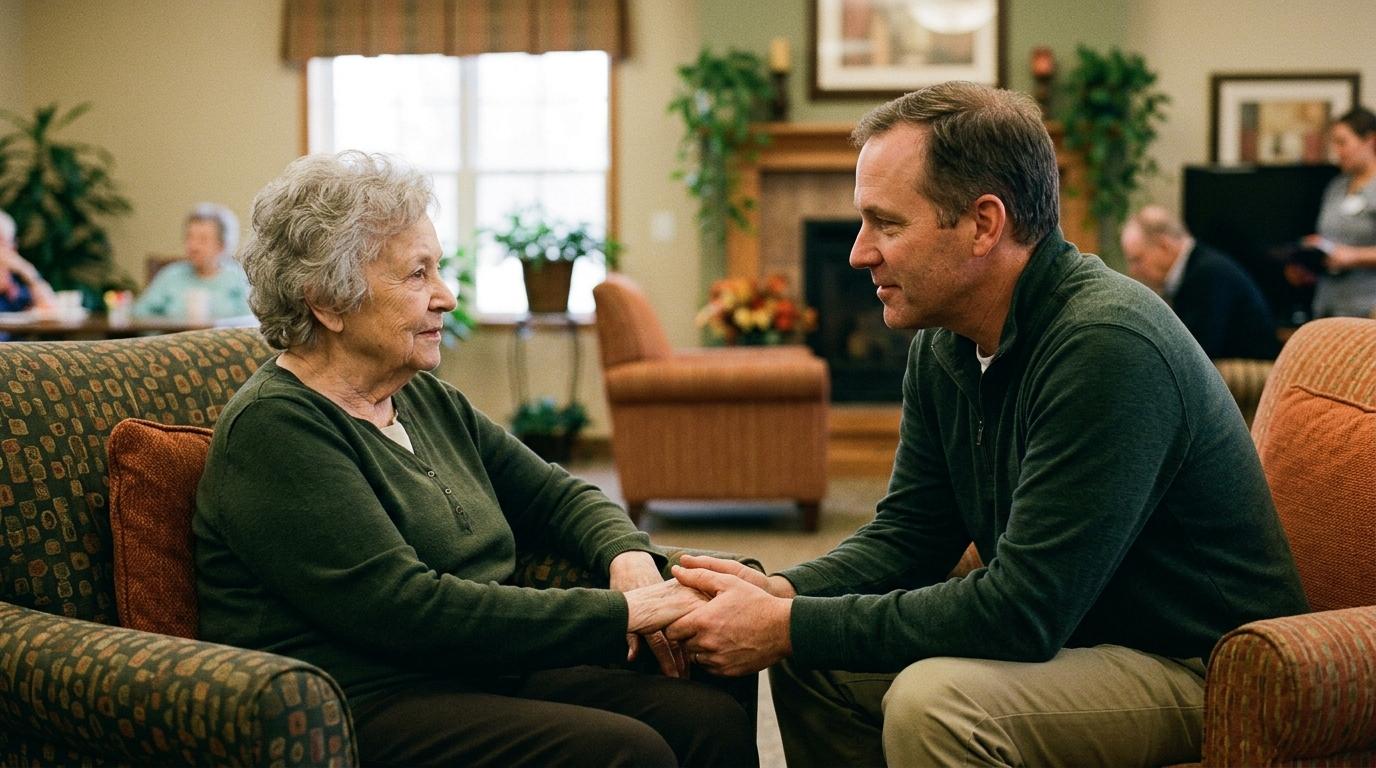
Bringing up these concerns with a loved one takes real care and sensitivity. Choose a calm, familiar, private setting where they feel comfortable and at ease. A quiet afternoon at home is often better than a busy restaurant or a holiday gathering.
Lead with love, not alarm. You might start by saying something like, “I’ve noticed a few things lately, and I care about you so much that I wanted to talk about it together.” Focus on listening more than talking. Let them share how they’ve been feeling, and give them space to process the conversation at their own pace.
Next Steps After Noticing the Signs
Practical Actions for Families
If you’ve noticed several of these signs, one of the most helpful things you can do is start keeping a record. Write down specific changes with dates and as much detail as possible. This kind of documentation gives healthcare providers a clearer picture when an evaluation takes place.
From there, scheduling an appointment with a primary care provider is a natural next step. They can assess what’s happening and help your family understand the path forward. You don’t have to have all the answers before reaching out. It may also be a good time to explore signs that assisted living may be the right fit for your loved one’s changing needs.
How Memory Care Support Can Help
Memory care communities are designed to offer a safe, structured environment where your loved one can feel calm, supported, and at home. Routines are thoughtfully built into each day to reduce confusion and encourage a sense of stability.
Personalized care plans are created around each resident’s unique history, preferences, and needs. And beyond physical care, spiritual and emotional support is woven into daily life, for residents and for families, too. You won’t be navigating this alone.
Moving Forward with Love and a Plan
Noticing the early signs of Alzheimer’s in someone you love can bring up a lot of emotions. But acting sooner rather than later opens up more options, more time, and more peace of mind for everyone involved. Your loved one can still live with purpose, joy, and a real sense of belonging.
At The Crossings of Willmar, memory care and senior living support are offered with the warmth and compassion your family deserves. If you’re ready to learn more or have questions about what support might look like, reaching out to schedule a tour is a wonderful place to start.